What Are Monolith Water Features?
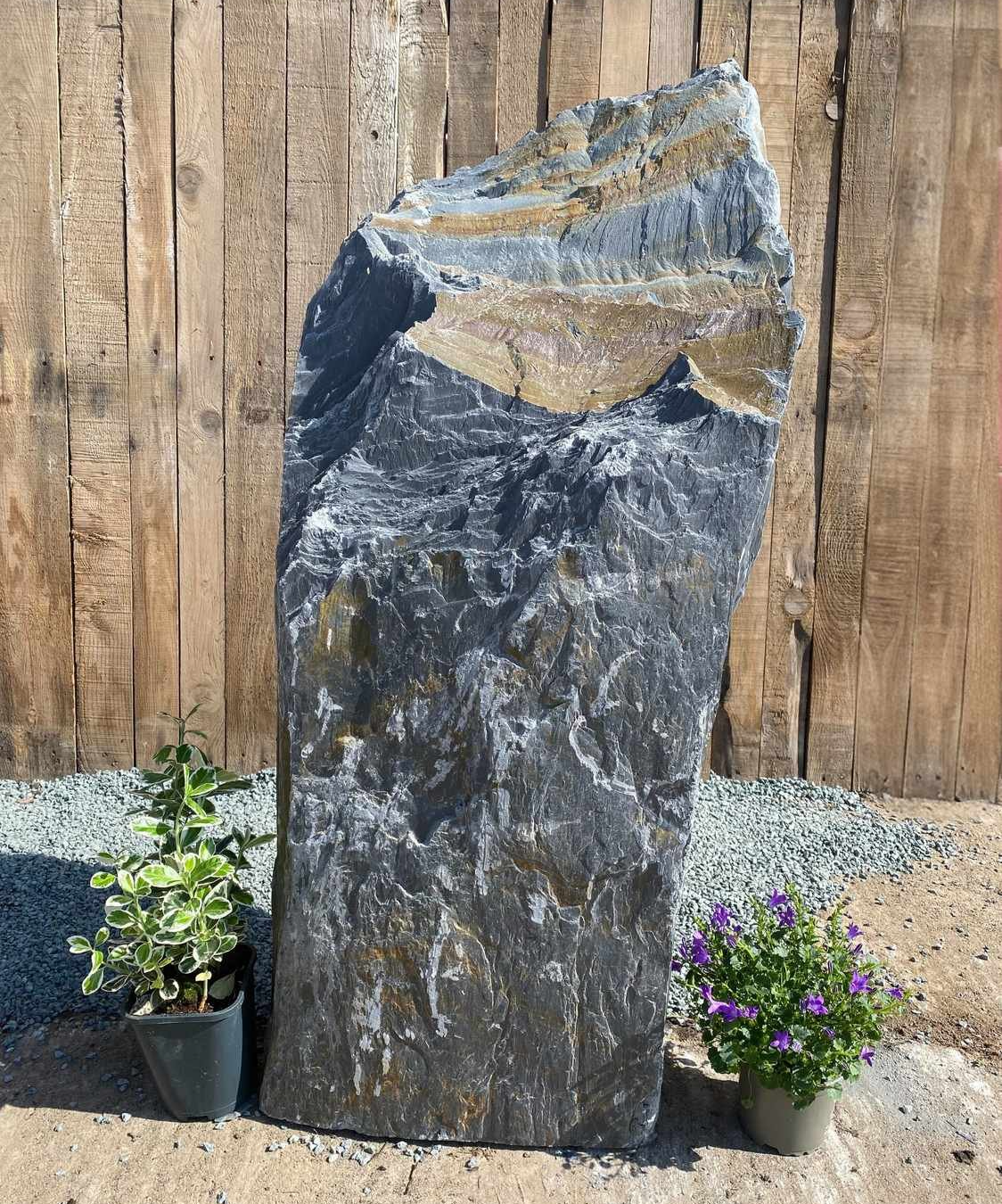
Alt text: A large, textured monolith water feature that stands upright in a garden setting, positioned in front of a wooden fence. Two small potted plants are placed on either side of the stone, adding a touch of greenery and colour. The ground is covered with a mix of gravel and concrete paving.
Introduction
Monolith water features are captivating elements of garden design, crafted from large, single pieces of natural stone. These striking features stand out for their imposing presence and artistic appeal, making them a favoured choice for enhancing outdoor spaces. Incorporating monolith water features into garden landscapes brings a sense of grandeur and tranquillity. Their ability to blend natural beauty with the soothing sound of flowing water makes them ideal focal points, transforming ordinary gardens into serene retreats.
Section 1: What Are Monolith Water Features?
Definition and Characteristics
Monolith water features consist of singular, substantial stones, typically sourced from quarries. These stones are selected for their distinct shape, texture, and colour, ensuring each piece is unique. They serve as the central element in water features, drawing attention and admiration.
Unique Shape, Texture, and Colour
Each monolith is a masterpiece of nature, showcasing its own distinctive form and surface details. The variety of textures and colours available—from the ruggedness of slate to the smooth elegance of granite—allows for endless customization, ensuring that every garden feature is one-of-a-kind.
Section 2: How Monolith Water Features Work?
Description of Water Flow Mechanism
Monolith water features function by channelling water through or over a large stone. A drilled or carved channel allows water to flow from the top, cascading down the surface or emerging from spouts. This continuous flow creates a calming, dynamic effect in the garden.
Role of Pumps and Reservoirs
A pump recirculates the water from a hidden reservoir at the base of the monolith back to the top. This closed-loop system ensures a constant, tranquil flow, while the reservoir is discreetly integrated to maintain the feature's aesthetic appeal.
Section 3: Types and Materials
Overview of Different Forms
-
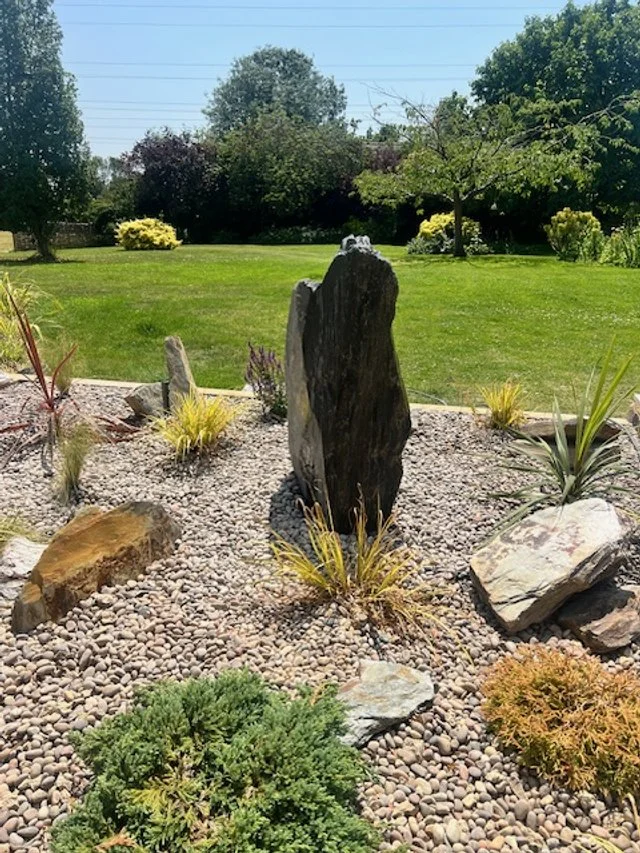
Standing Stones: Tall, upright stones reminiscent of ancient monuments, adding vertical interest.
-
Boulders and Large Rocks: Natural stones with unique textures, often used to create cascades.
-
Natural Stone Columns: Columnar shapes that offer architectural flair and height.
-
Waterfall Rocks: Monoliths designed for water to flow over their surfaces, creating a soothing waterfall effect.
Common Materials Used
Monolith water features are crafted from various materials, each offering distinct characteristics:
-
Slate: Known for its layered texture and rich colours.
-
Granite: Durable and available in a range of hues.
-
Limestone: Known for its smooth texture and subtle colours.
Section 4: Benefits of Monolith Water Features
Aesthetic Appeal as a Focal Point
Monolith water features command attention, transforming any garden into a stunning visual masterpiece. Their bold presence and natural elegance elevate landscape design with a touch of grandeur.
Promoting Tranquillity and Relaxation
The gentle melody of flowing water creates a peaceful haven, turning gardens into serene retreats perfect for relaxation and reflection.
Attracting Wildlife and Enhancing Biodiversity
These features invite birds and beneficial insects, nurturing a lively ecosystem and enriching the biodiversity of your garden.
Versatility in Different Garden Settings
With a range of sizes and styles, monolith water features seamlessly fit both cosy urban gardens and sprawling landscapes, offering endless design possibilities.
Uniqueness of Each Feature
Every stone is a unique gift from nature, ensuring your garden feature is truly distinctive and a reflection of your personal style.
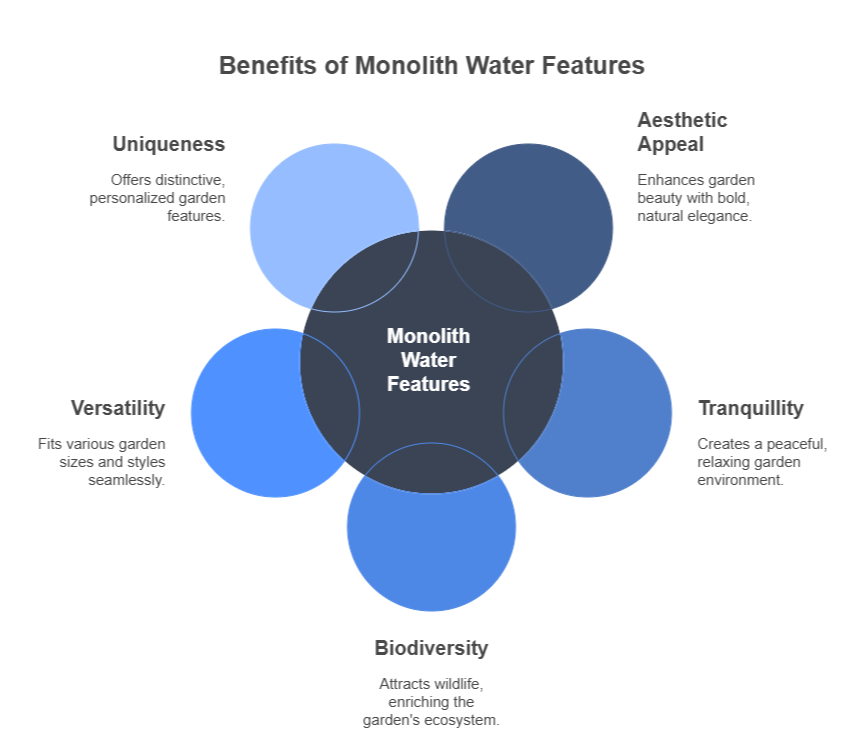
Alt text: A diagram titled "Benefits of Monolith Water Features" featuring a central circle labelled "Monolith Water Features" with six surrounding circles. Each circle highlights a benefit: "Uniqueness" offers distinctive garden features, "Aesthetic Appeal" enhances garden beauty, "Tranquillity" creates a peaceful environment, "Biodiversity" attracts wildlife, and "Versatility" fits various garden styles.
Section 5: Choosing and Installing a Monolith Water Feature
Factors to Consider When Selecting a Feature
Think about the size and style of your garden and the visual impact you want. Choose materials and forms that blend with your aesthetic and complement the garden's design.
Installation Process and Necessary Components
Installation involves securing the monolith on a stable base, installing a reservoir, and connecting a pump for continuous water flow. Proper setup ensures smooth and safe operation.
Availability of Complete Kits
Many suppliers provide complete kits with everything needed for installation—pumps, reservoirs, and even LED lighting—making it easy to incorporate a monolith water feature into your garden with ease.

Alt text: A garden scene featuring a monolith water feature surrounded by a variety of plants and trees. The standing stone is set among smooth, round rocks and moss-covered stones. In the background, there are lush green shrubs, a tree with red leaves, and a wooden fence partly visible.
Conclusion
Monolith water features offer a unique blend of aesthetic appeal and tranquillity, serving as stunning focal points in any garden. Their ability to promote relaxation, attract wildlife, and enhance biodiversity makes them a valuable addition to outdoor spaces. With their versatility and uniqueness, these features can transform gardens into serene retreats.
Consider exploring the diverse options available to find the perfect monolith water feature for your personal garden, and enjoy the beauty and serenity they bring.
Frequently Asked Questions (FAQ)
1. What maintenance is required for a monolith water feature?
Regular cleaning of the pump and reservoir is essential to ensure smooth operation. Check for debris and algae build-up, and top up the water level as needed.
2. Can monolith water features be used in small gardens?
Yes, they come in various sizes and can be customized to fit small urban gardens as well as larger landscapes.
3. Are monolith water features eco-friendly?
Yes, they promote biodiversity by attracting wildlife and can be part of a sustainable garden design.
4. How do I choose the right material for my monolith?
Consider factors such as durability, colour and texture. Common options include slate and granite, sandstone each offering unique aesthetic qualities.
5. Can I install a monolith water feature myself?
Many complete kits are available that simplify installation, making it possible to set up a monolith water feature with basic DIY skills. We supply water feature kits including: pump, reservoir, grating and hose. Once added to the cart our water feature kits can be added.